
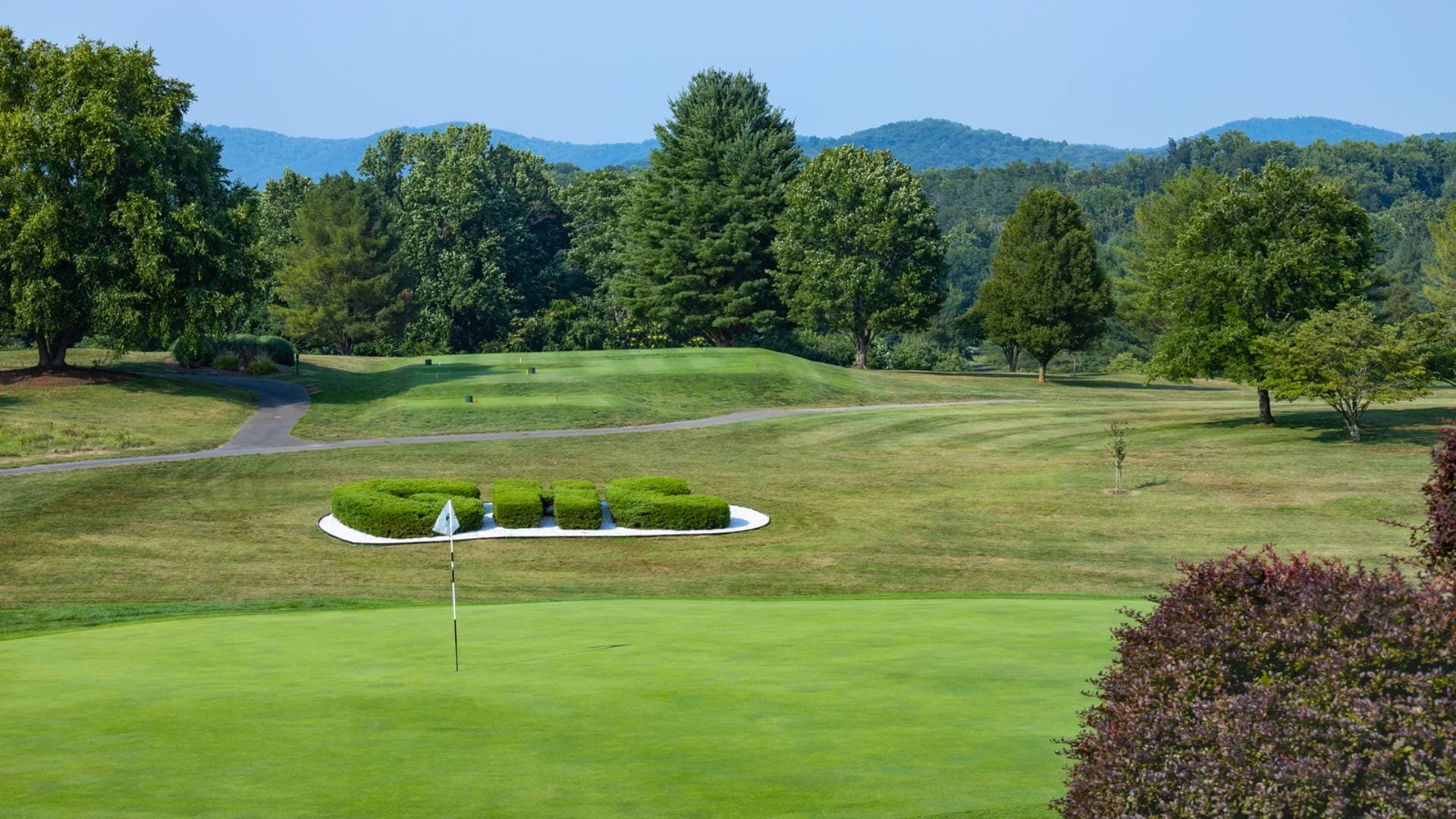
Eighteen holes, par 71, 6,400 yards.
The routing hasn't moved since 1968.
Raymond F. Loving Jr., ASGCA, routed the course around the ridge that the property sits on. Mike Moyers, PGA, has been the head professional long enough to know what each hole gives up and what it doesn't. The notes below are his.
The scorecard,
as it has read since opening day.
Slope and rating are not posted publicly. Handicaps are kept through the Virginia State Golf Association. VSGA VIP cardholders are welcome Monday through Wednesday.
Par
71
Yards · back
6,400
Opened
1968
Architect
R.F. Loving Jr.
ASGCA
Handicap one
No. 15
466 yds · par 4
Handicap
VSGA
Central VA Alliance
Eighteen holes, from the air,
in the order you'll walk them.
Aerial frames captured during the course-flyover film, 2014–16. Notes from Mike Moyers, PGA.
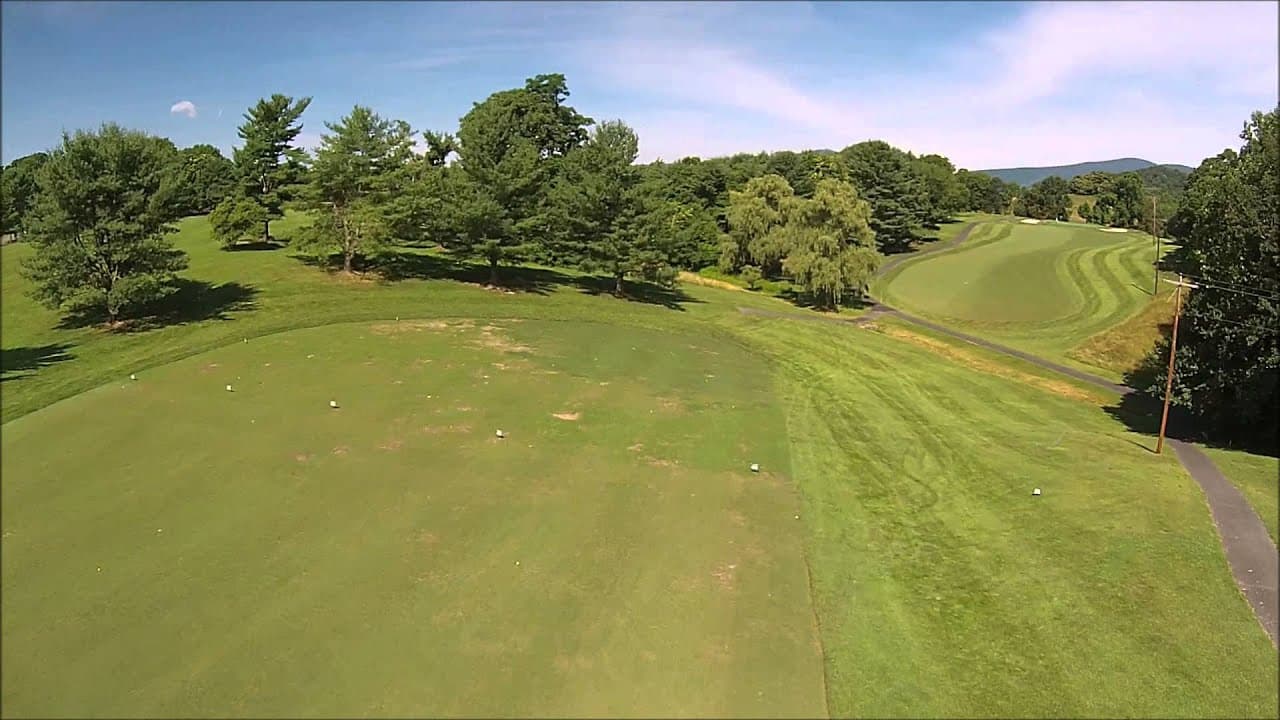
01
Par 4
An honest opener. Long iron in is plenty if the drive holds the fairway.
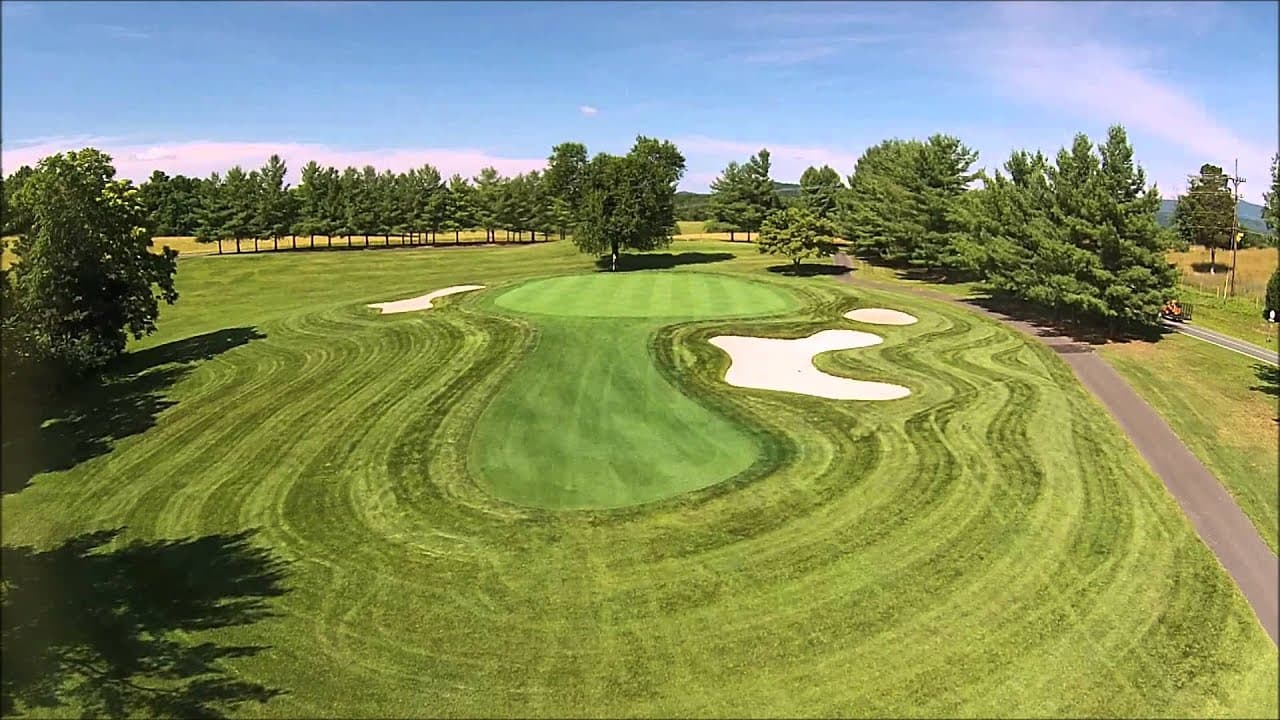
02
Par 4
Plays uphill the second half. Most members club up one and finish past the flag.
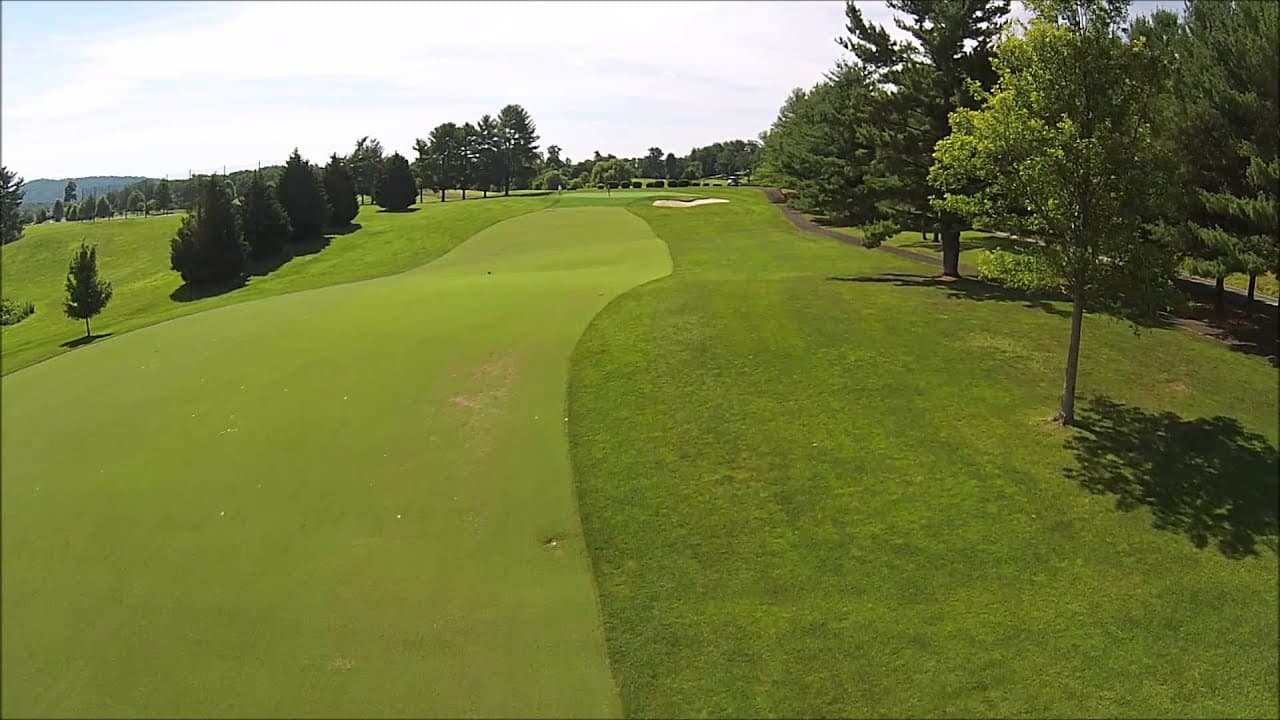
03
Par 3
Short, but the wind off the ridge matters more than the yardage.
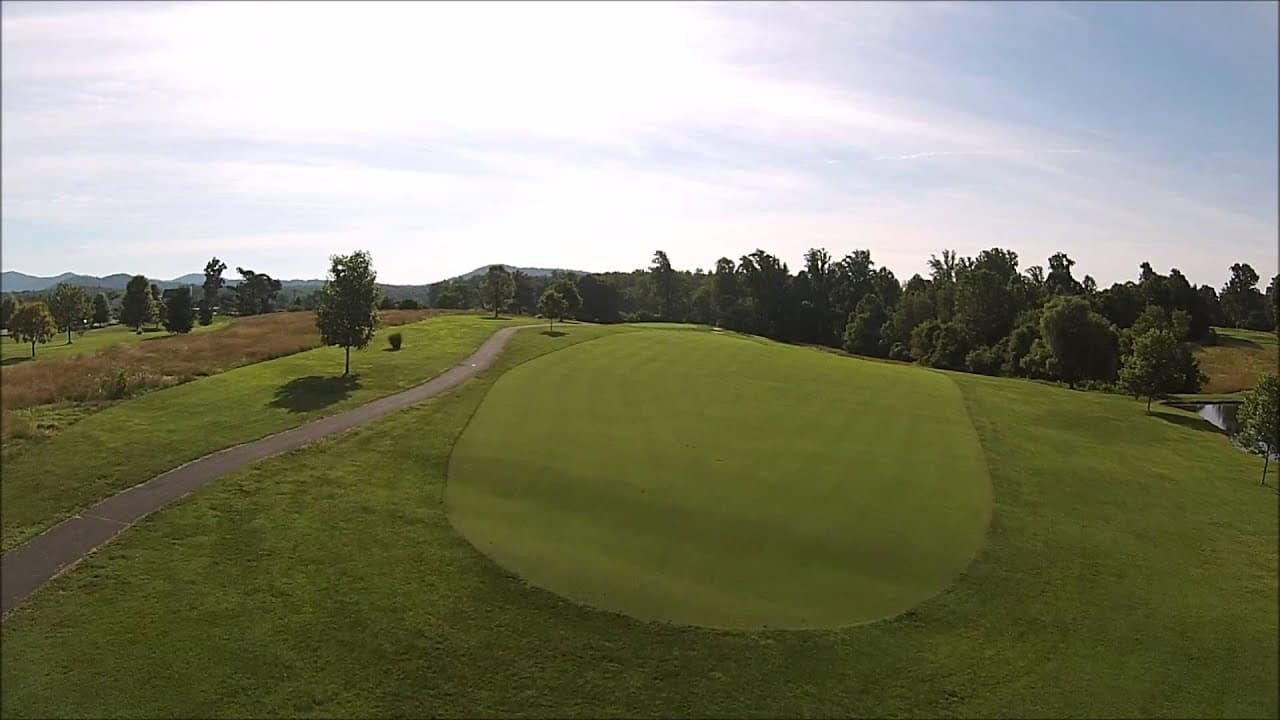
04
Par 4
A blind landing area. Trust the post and the line will be there.
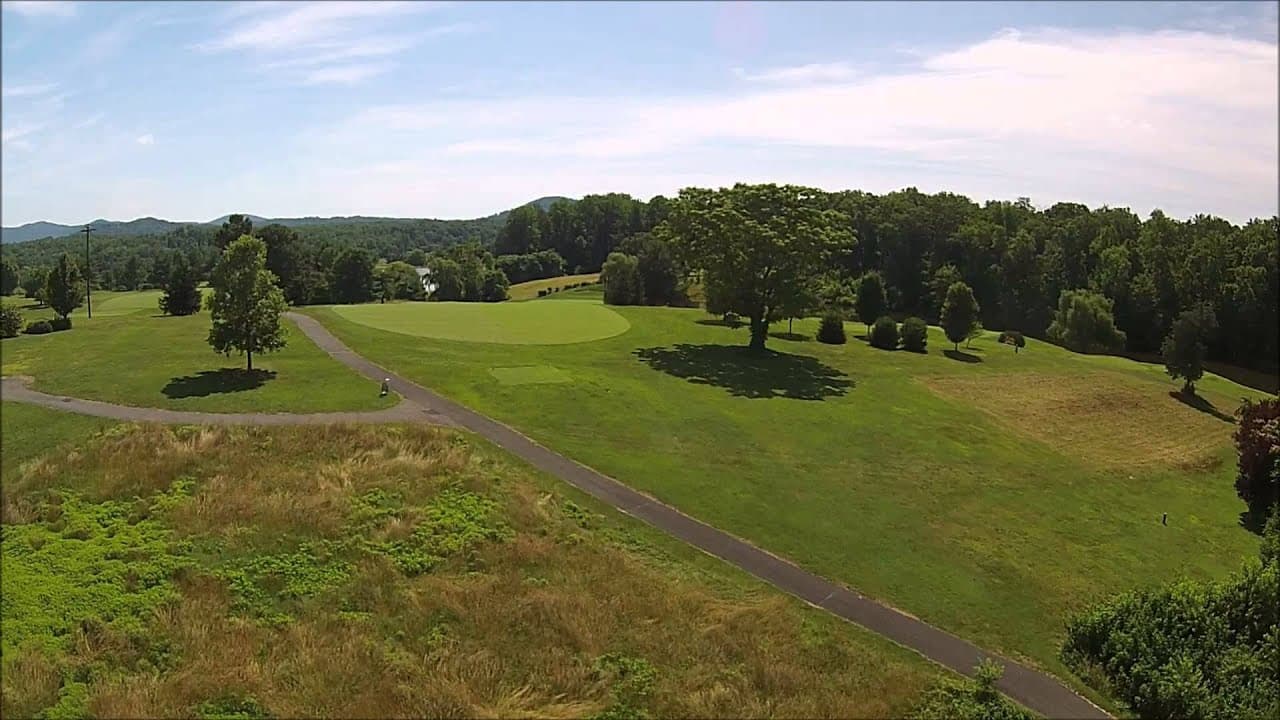
05
Par 4
Significant elevation change off the tee. The view back down is the reward.
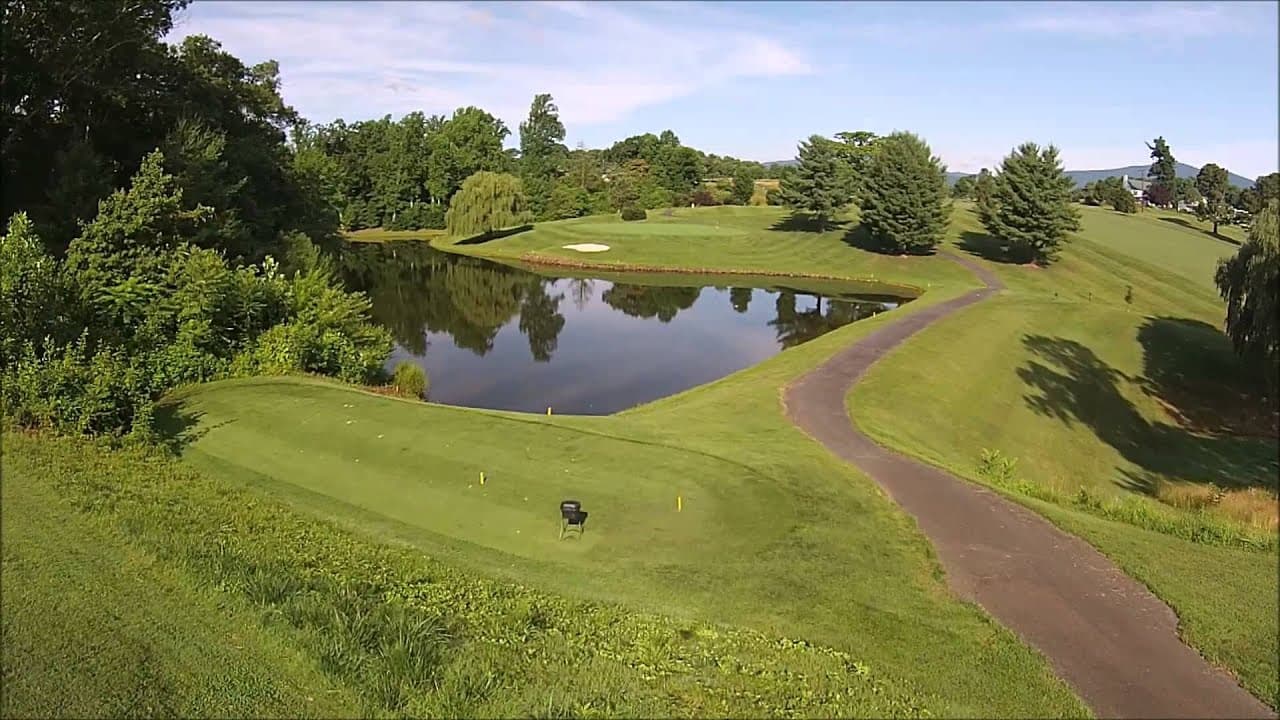
06
Par 3
Water short and left. The prettiest hole on the front, and the one that costs the most strokes.
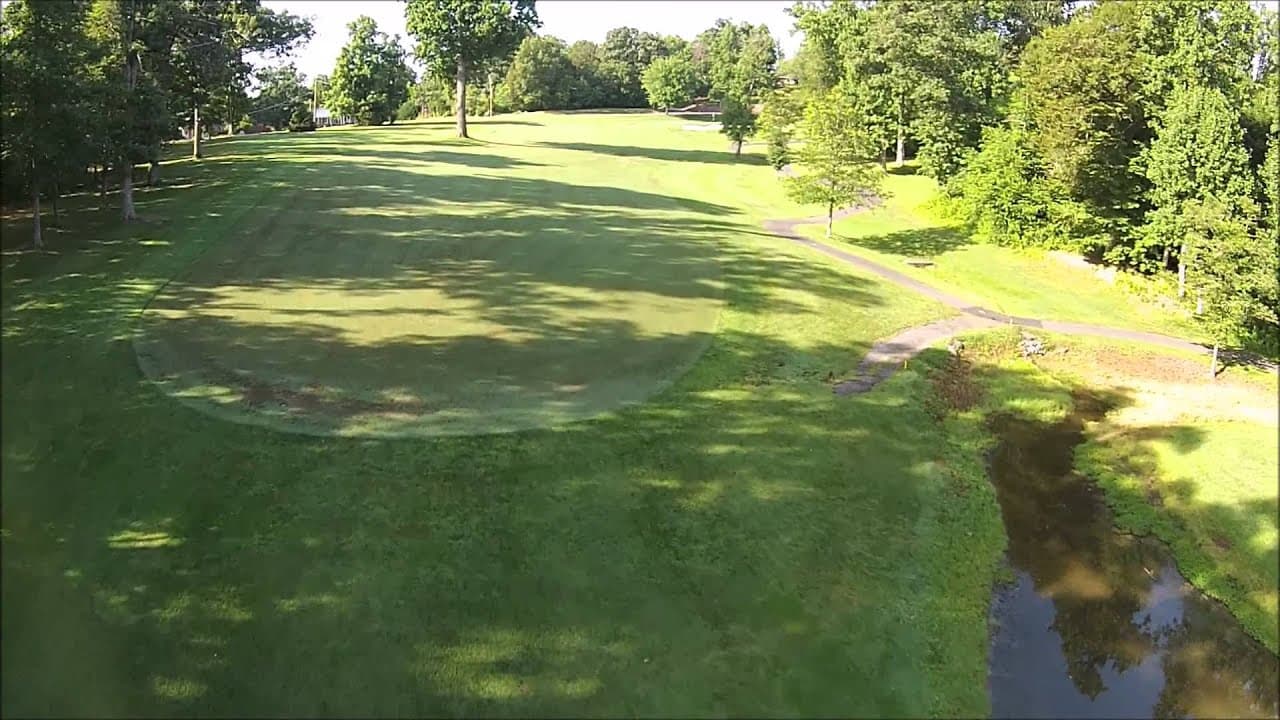
07
Par 4
The white oak sits dead center in the fairway. Right favors a fade, left a draw, over it is a story.
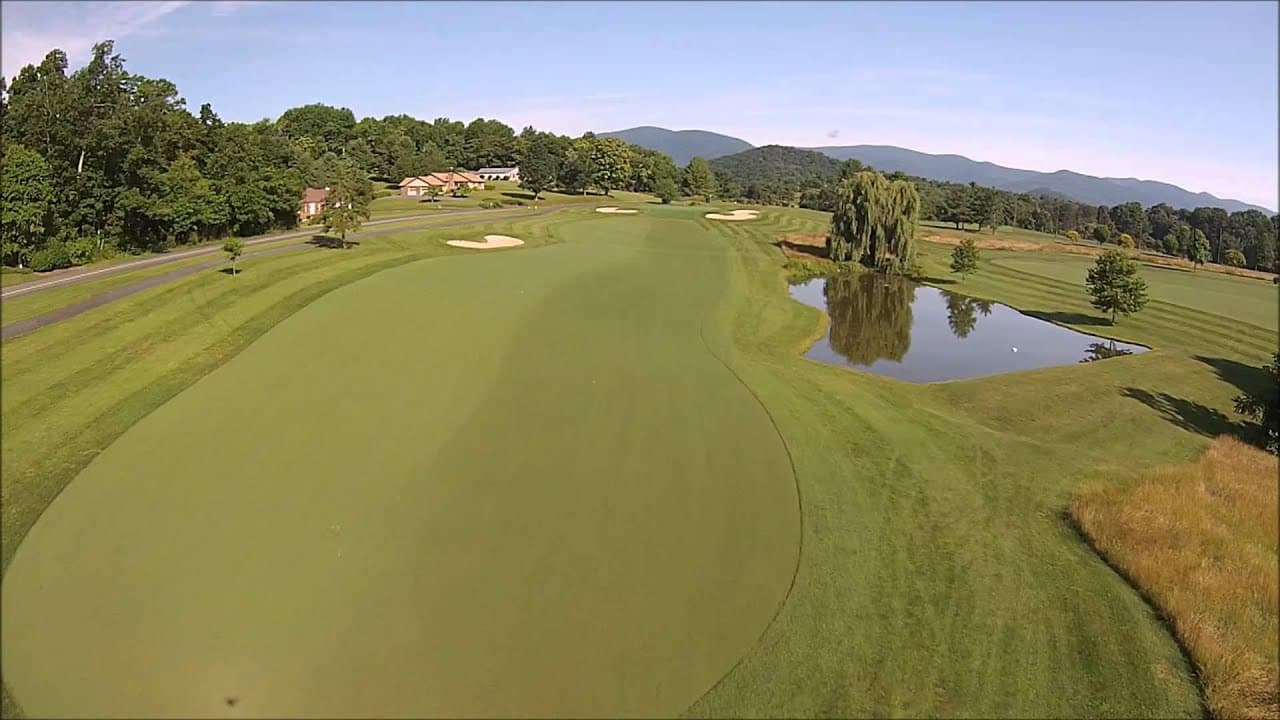
08
Par 5
Reachable for the longer players. Three honest shots gets everyone else on in regulation.
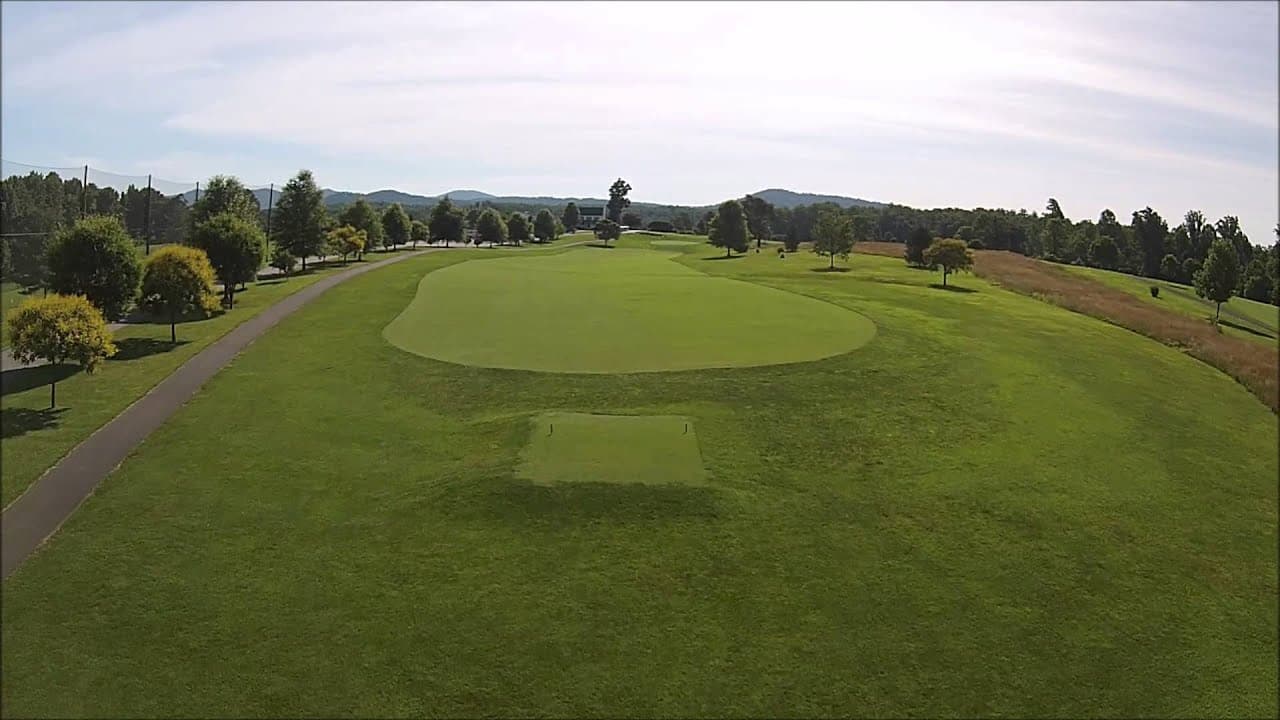
09
Par 4
A turn worth the walk back up to the grille for a sandwich.
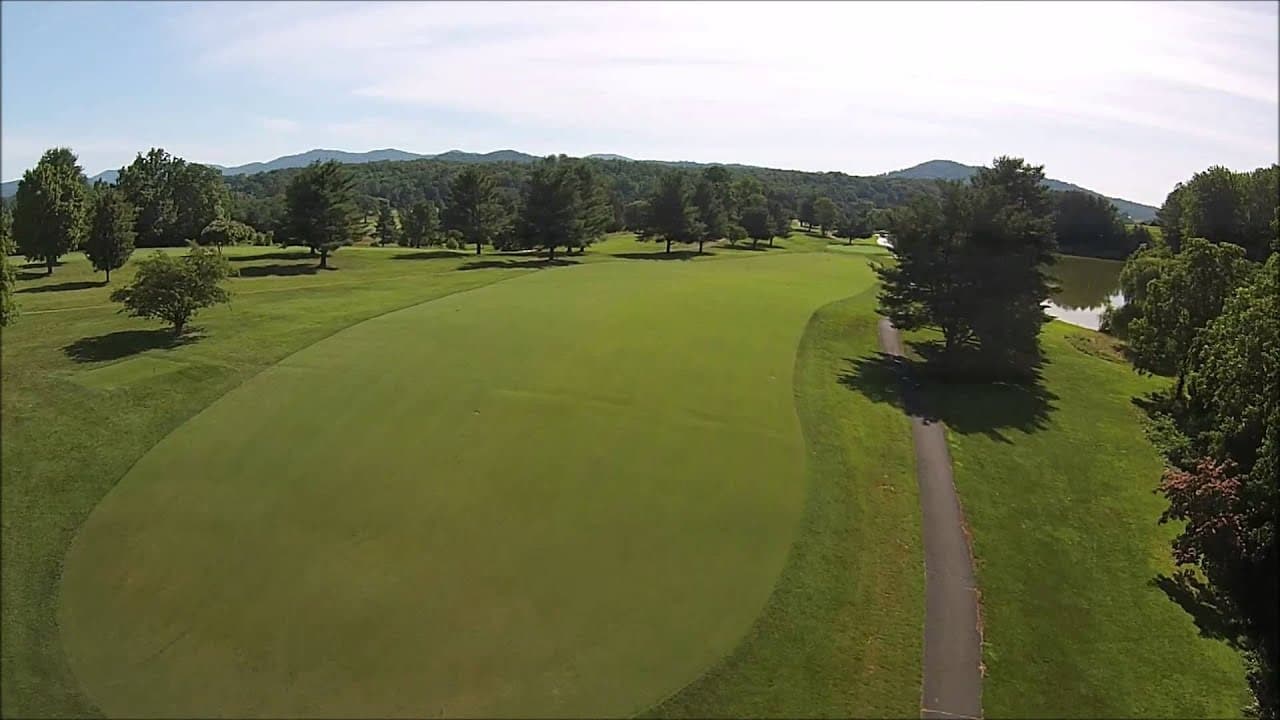
10
Par 4
A fresh start. Stay below the hole; the green falls away from you.
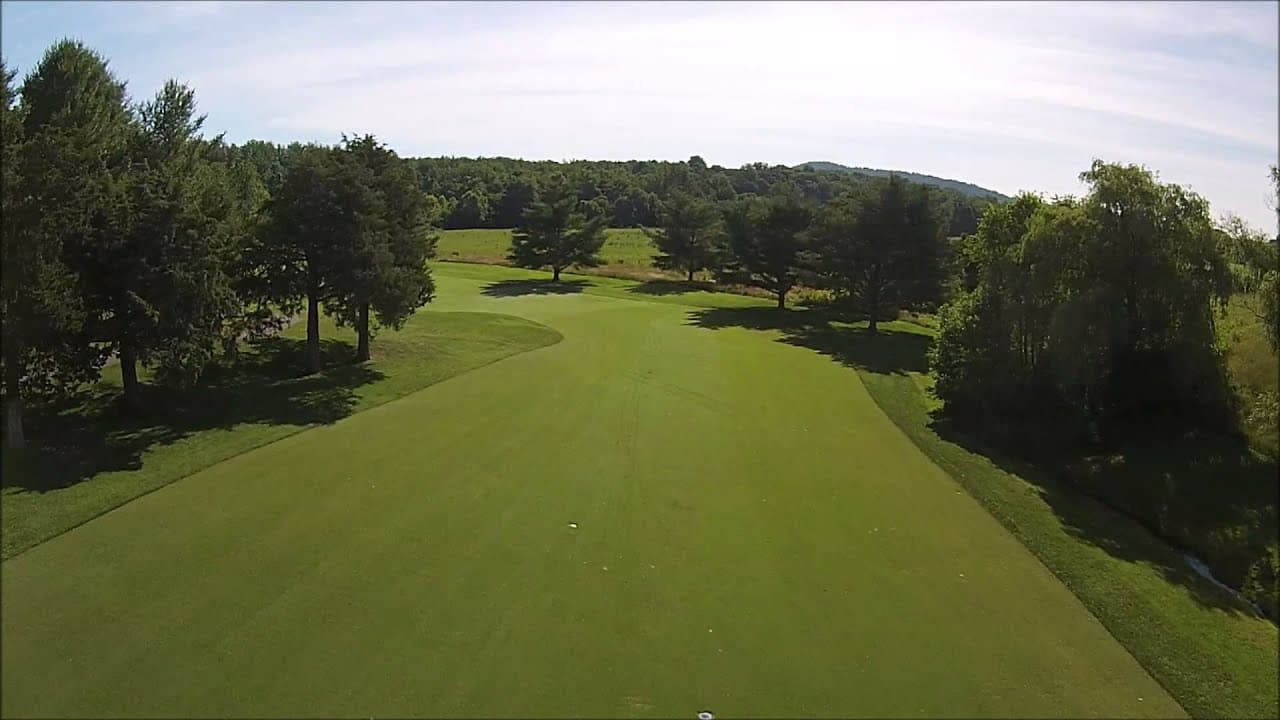
11
Par 5
Risk-reward depending on the day's pin. The card players go for it.
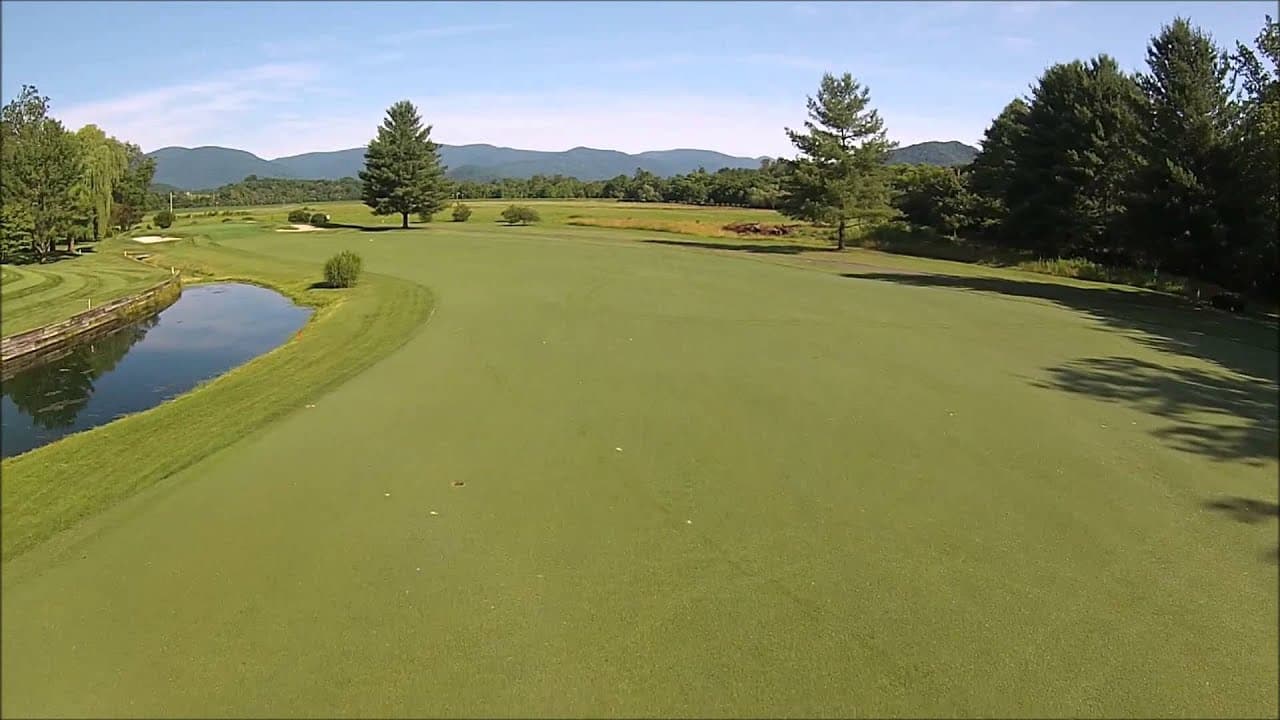
12
Par 3
Mid-iron. The green has more contour than it looks like from the tee.
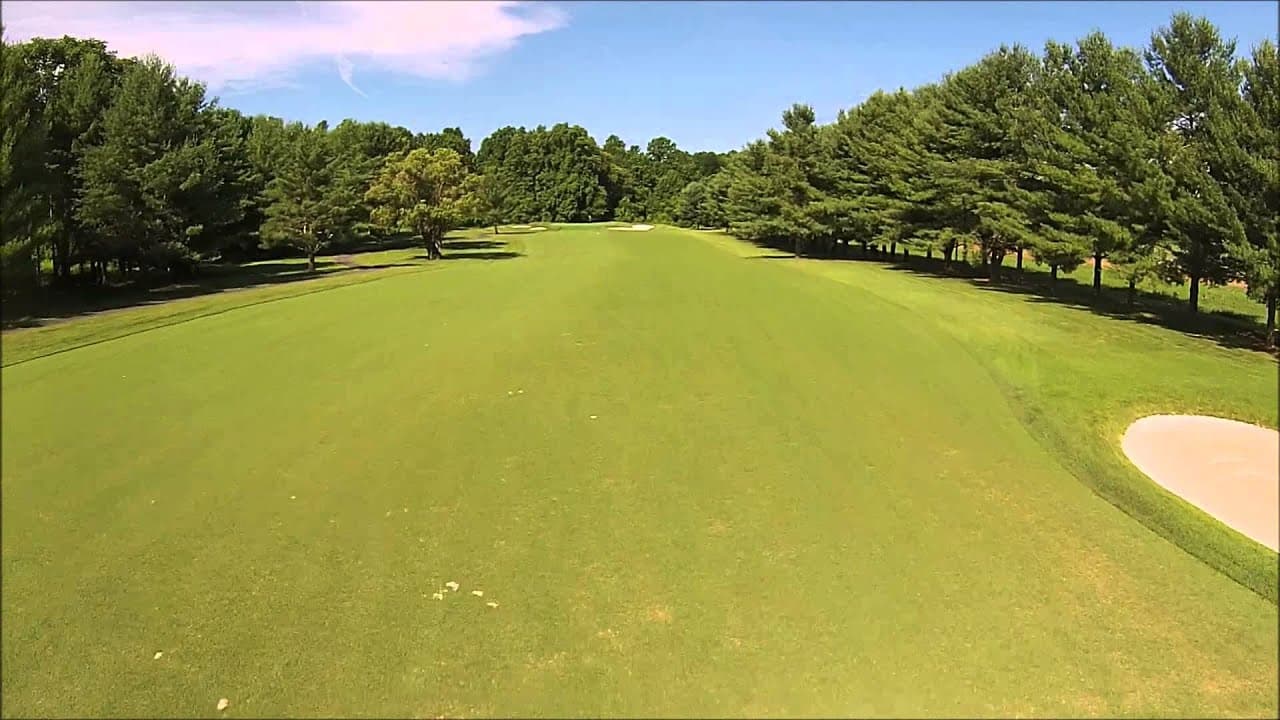
13
Par 4
Driver-iron for most members. Position over power.
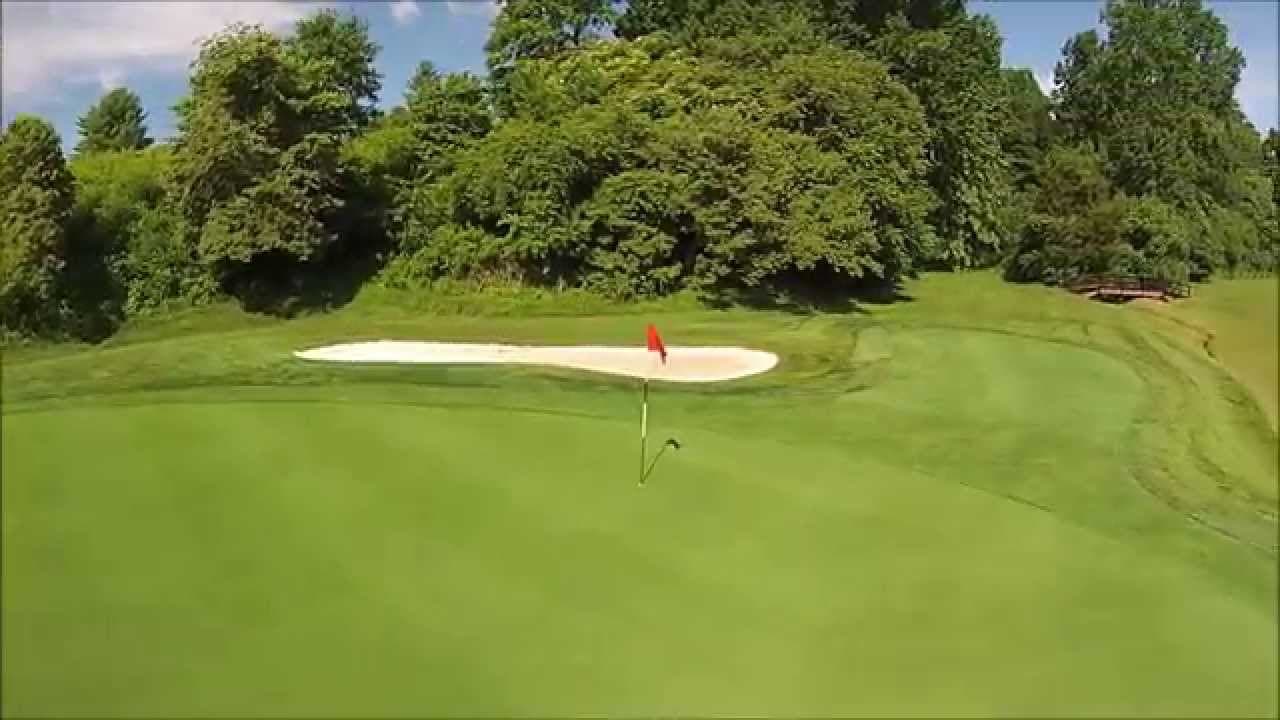
14
Par 4
A mid-handicapper's favorite. Wide enough off the tee, fair to the green.
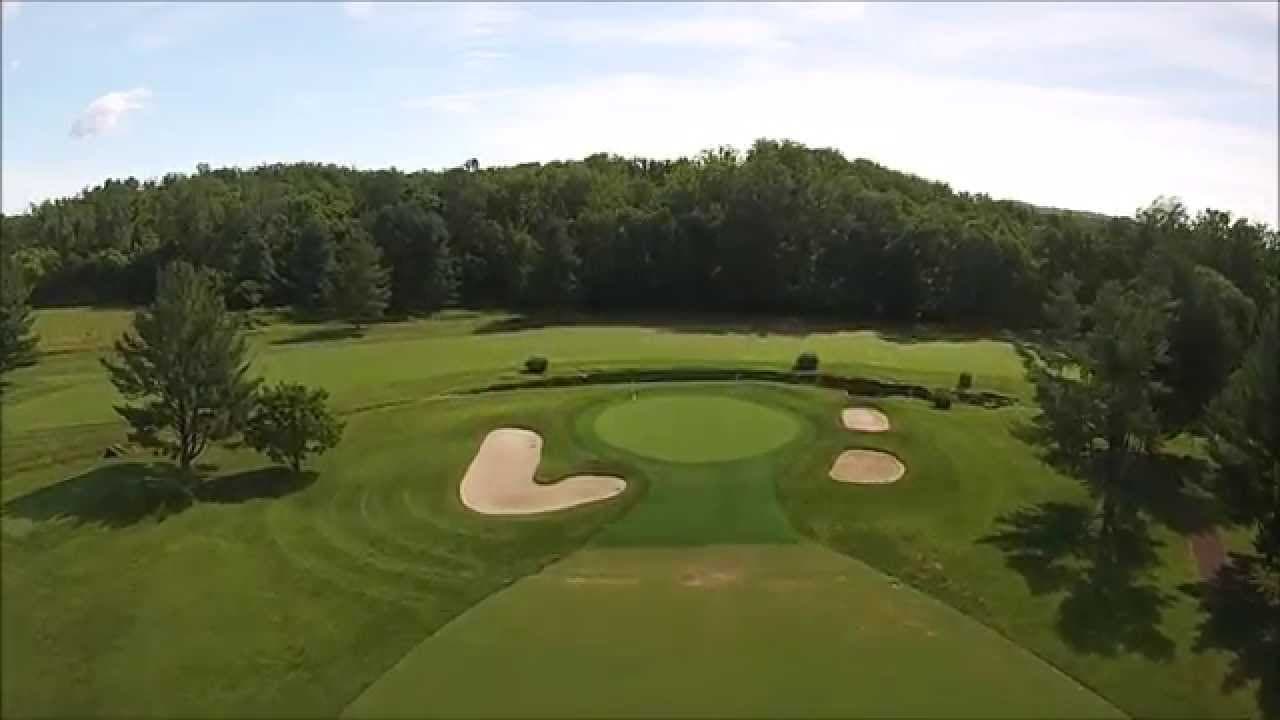
15
Par 4 · 466 yds
Four sixty-six. Handicap one. The longest hole on the course and a tougher walk when the wind drops down off the mountain.
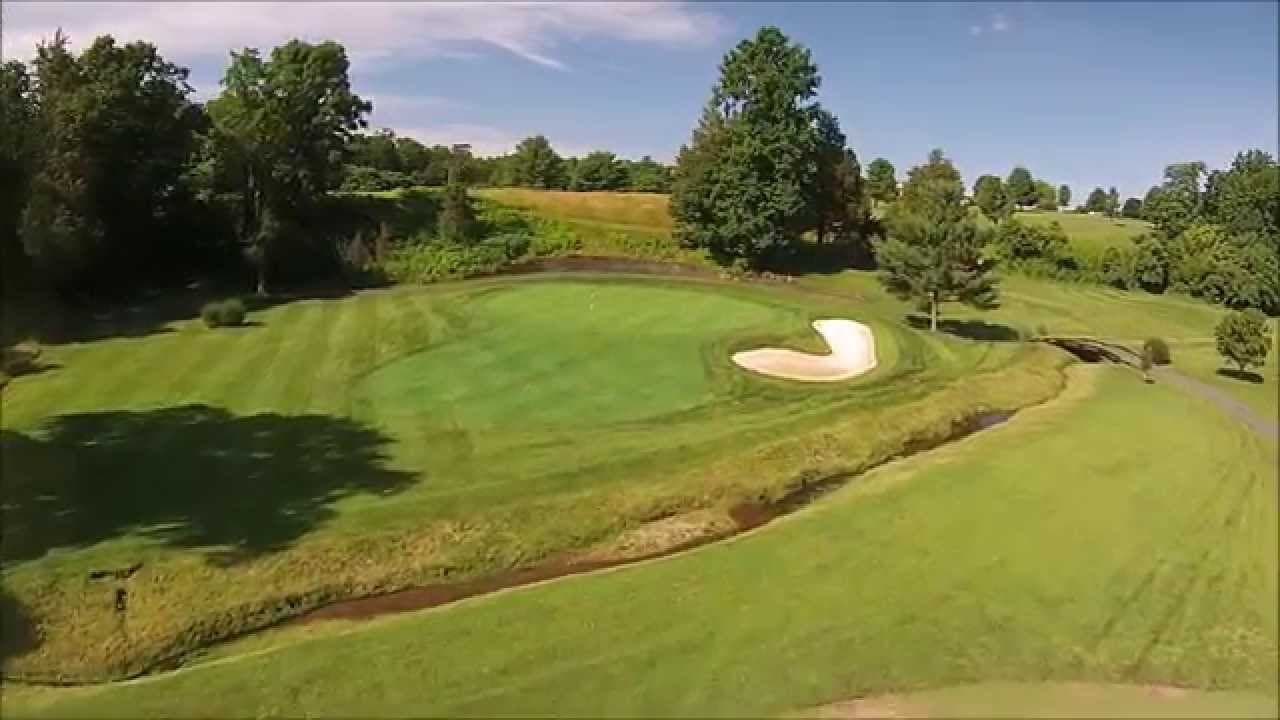
16
Par 4
A breather between fifteen and the closing pair.
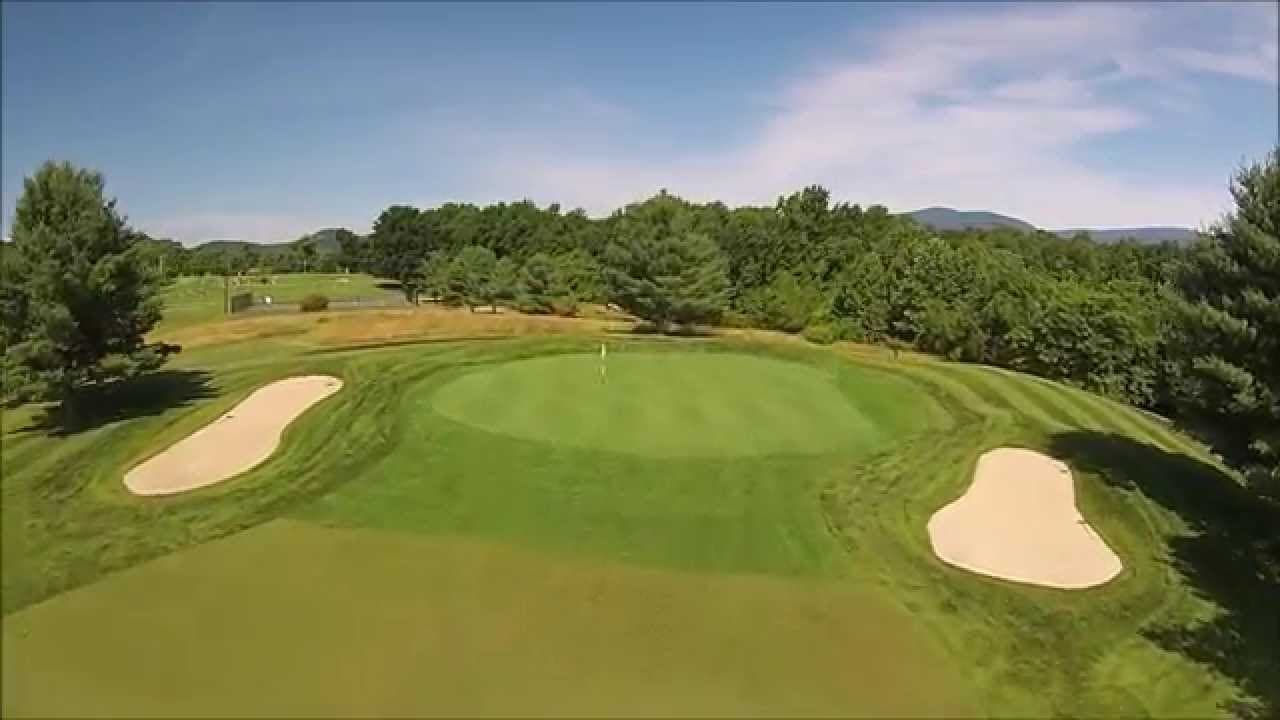
17
Par 4
Position matters more than length. The wrong side of the fairway adds a stroke.
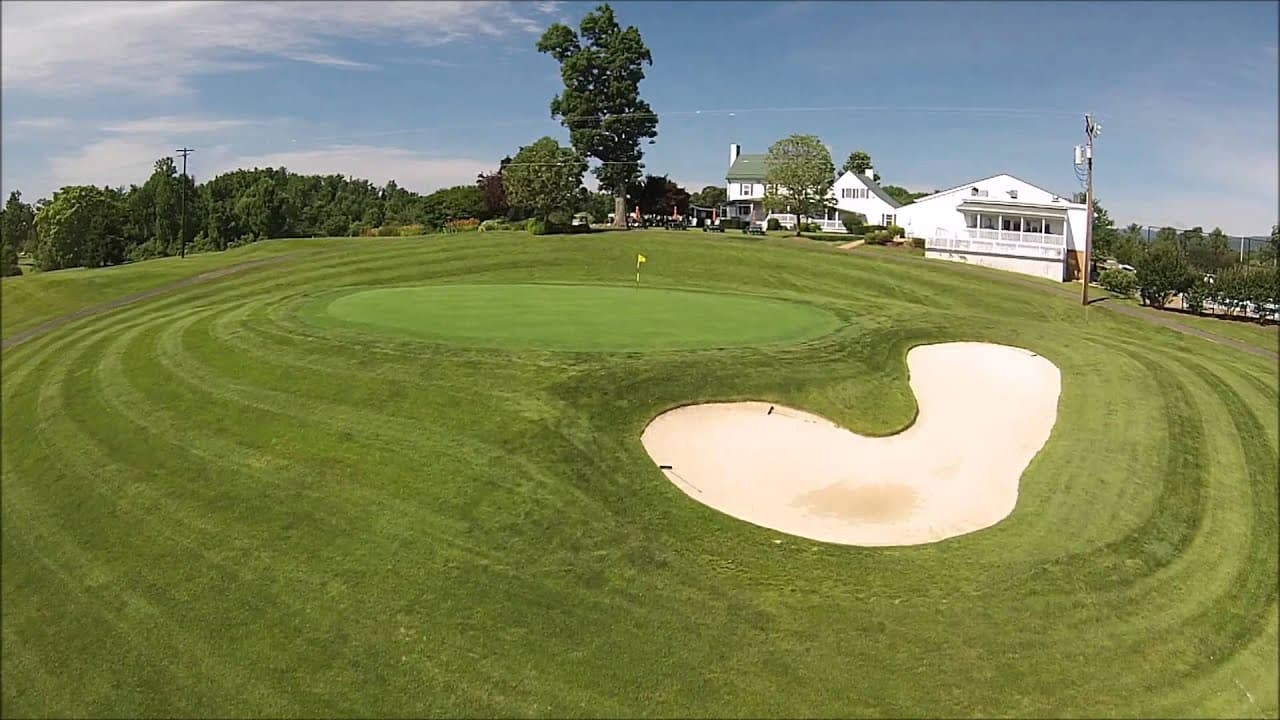
18
Par 3
The green tucks directly under the Hills Grille deck. Don't be short. Everyone on the porch is watching.
Raymond F. Loving Jr., ASGCA.
The architect, in short.
A Virginia-based golf course architect with a quiet body of work across the Mid-Atlantic and membership in the American Society of Golf Course Architects. Greene Hills, opened in 1968, is one of his earliest commissions and still one of his most-played. The original routing drawings are kept in the pro shop office.
A longer essay on Loving and his Greene Hills routing is in the works.
On the architect